

Key Points:
- Signal measurements should guide antenna planning before installation work begins.
- Cable routes need to balance performance, access, and long-term service needs.
- Antenna placement should reflect real building use, not equal spacing.
- Installation quality can affect signal performance long after project completion.
- Occupied sites need realistic scheduling around access and business operations.
- Testing should reflect normal building use, movement, and traffic conditions.
- Clear test records make future troubleshooting and adjustments much easier.
- Future renovations can change coverage and should be considered during planning.
- Early review helps reduce rework, weak zones, and difficult maintenance later.
Commercial teams in San Antonio can lose time quickly when antenna work starts before the building has been properly reviewed. On paper, the route may look simple. In practice, ceilings are crowded, access rules change, and one concrete wall can alter coverage more than expected. That is why the useful work begins before anyone mounts hardware. Teams need to understand signal conditions, user movement, cable paths, equipment space, and the areas that cannot afford disruption.
A good pre-installation review does something very practical: it exposes awkward details while they are still easy to fix. Maybe a planned pathway is already full. Maybe the best antenna position sits above a hard ceiling. Or perhaps a busy floor behaves very differently at 2 p.m. than it did during an empty-site walk. Those issues are manageable early. Once installation is underway, they become scheduling problems, extra labor, and sometimes expensive rework.
Antenna Installation Starts With Real Signal Conditions
Before DAS antenna installation begins, technicians should measure how cellular signals actually behave across the property. A drawing cannot show where a stair core blocks service or where a mechanical room creates an unexpected weak zone. Real readings can. They help the team see which areas deserve attention and which locations already perform well. That keeps the design grounded in the building itself instead of in assumptions carried over from another project.
The timing of that survey matters too. A space may look open during construction but behave differently once doors, ceilings, glass, and equipment are in place. Commercial teams should therefore ask when measurements were taken and whether later verification is planned. A survey done at the wrong stage can still be useful, but it should not be treated as the final word. Buildings change, and radio conditions often change with them.
Antenna Placement Should Follow Real Building Use
Antenna placement should follow user movement and building conditions, not a neat spacing pattern. Equal distances may look tidy on a floor plan, but walls, ceiling height, metal storage, elevators, and room use all affect signal behavior. Sometimes moving one antenna a few feet can solve a problem more effectively than adding another. Teams should expect the design to explain why locations were chosen, especially in busy corridors, garages, meeting floors, and interior work areas.
Balanced placement matters because more signal is not always better. Antennas that overlap too heavily can create their own problems, while wide gaps can leave users with unstable service. The goal is steady coverage as people move through the property. That takes judgment, not just hardware. Commercial teams should review where people gather, how they move between floors, and whether high-use areas will still perform when the building is actually busy.
Antenna System Planning Needs Practical Cable Routes
A DAS antenna system needs cable routes that are practical, protected, and still reachable after the building is finished. That sounds obvious, yet it is easy to overlook when everyone is focused on coverage. Risers may already be crowded. Ceiling trays may be shared with other low-voltage work. A location that performs well from an RF standpoint can become a poor choice if reaching it requires a long, awkward, or hard-to-service cable path.
Service access deserves the same attention. An antenna or connection point hidden above a difficult ceiling may work perfectly for years, until someone needs to test it. Then a small task becomes a lift, an after-hours visit, and several approvals. Not ideal. A slightly different position can often preserve performance while making maintenance far easier. In busy commercial properties, that tradeoff is usually worth discussing before the installation crew arrives.
Installation Quality Protects Long-Term Antenna Performance
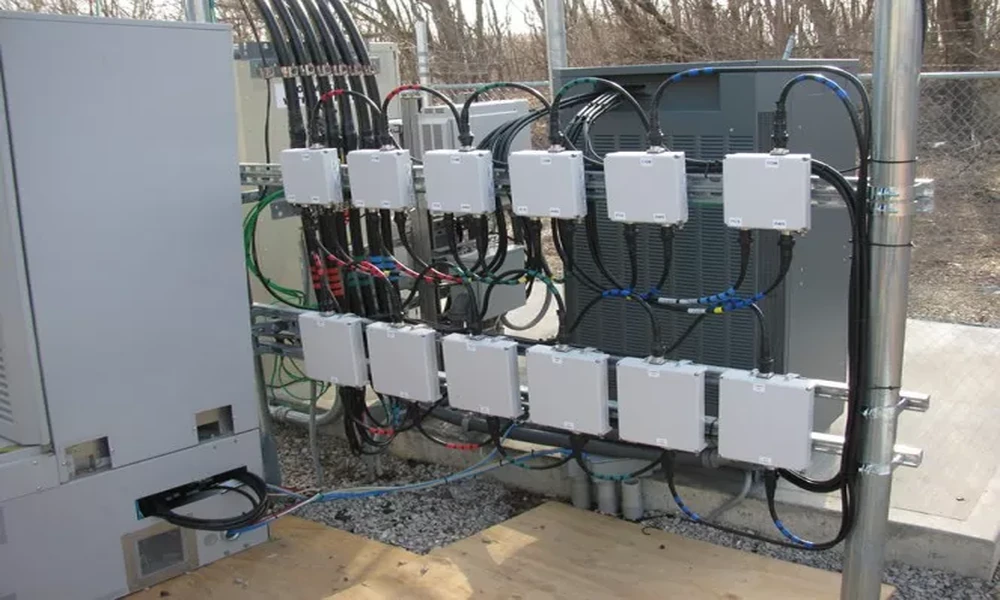
The physical quality of DAS antenna installation can affect performance long after the crew leaves. Loose connectors, damaged cable, sharp bends, weak mounting, or inconsistent labeling may not cause a total failure on day one. Instead, they can show up later as uneven service or frustrating troubleshooting. A careful installer protects cable during pulling, follows approved routes, and keeps each connection clearly identified. Small details here tend to become very noticeable later.
Occupied sites add another layer. Crews may need escorts, after-hours access, or short work windows around tenants who cannot simply stop operating. A realistic schedule should account for that before installation starts. For example, a medical floor may allow ceiling access only after clinics close, while a loading area may be off-limits during shift changes. Good sequencing keeps the work moving without forcing rushed decisions simply because one location happens to be easier to reach.
Antenna System Testing Should Reflect Normal Use
A DAS antenna system should be tested in conditions that resemble normal building use as closely as possible. Quiet testing has value, but it can miss problems that appear once people return, doors close, and mobile traffic rises. Technicians should check signal quality, calls, data, and movement between important spaces. Hallways, garages, stairwells, shared areas, and floor transitions often reveal issues that one stationary reading would never show clearly.
Test results should also be saved in a form the property team can use later. Floor plans, antenna locations, signal readings, and final adjustments create a useful baseline. Six months later, if a renovated floor starts getting complaints, technicians can compare new data with the original results instead of testing the entire building from scratch. That shortens the search and helps them avoid changing equipment that is still doing exactly what it should.
Future Building Changes Deserve Early Attention
Commercial teams should also think about what happens after the building changes. New tenants, partitions, storage systems, or equipment can alter signal conditions, sometimes in ways nobody expects. A design that leaves practical access and clear records is easier to adjust. The goal is not to predict every future renovation. It is simply to avoid installing a system so tightly that one normal building change forces a much larger redesign than necessary.
There is a cost tradeoff here. Preparing for future access, spare pathway space, or likely expansion points may add a little to the first project, but it can save far more later. A property expecting a tenant build-out next year, for example, may benefit from planning that route now. That does not mean overbuilding. It means spending where flexibility has a clear purpose and avoiding extras that add cost without giving the owner much practical value.
Conclusion
The strongest antenna projects usually look simple only because the difficult decisions were made early. Signal conditions, cable routes, access, placement, workmanship, testing, and future changes all deserve review before installation begins. When commercial teams ask those questions upfront, they reduce the chance of weak zones, awkward service access, and late design changes. More importantly, they give the finished system a better chance of supporting real building use without constant correction.
CMC Communications supports San Antonio commercial properties with DAS planning, engineering, installation, grid testing, and related wireless services. Their team can review building conditions, coverage needs, pathways, antenna locations, and service access before work begins. That broader preparation helps property teams avoid rushed placement decisions and unnecessary rework. It also leaves them with indoor coverage that is easier to test, maintain, and adjust as tenants, layouts, and daily mobile use change over time.
Frequently Asked Questions
Question: What should commercial teams review before antenna installation begins?
Answer: They should review signal measurements, building materials, cable pathways, ceiling access, equipment areas, user movement, and working-hour limits. Looking at these details together helps the team find practical problems before crews arrive and installation choices become harder to change.
Question: Why should antenna locations be based on site measurements?
Answer: Walls, concrete, steel, elevators, and room layouts can change how cellular signals move. A location that appears suitable on a drawing may perform poorly in practice. Site measurements give designers real information for choosing locations that support reliable coverage.
Question: Can too many antennas create coverage problems?
Answer: Yes. Placing antennas too closely can create unnecessary overlap, while wide spacing may leave weak areas. The right layout depends on signal conditions, building materials, room use, cable loss, and how people move through the property.
Question: Why does service access matter during antenna planning?
Answer: Antennas and connections may need testing, repair, or adjustment later. Equipment placed above hard ceilings or behind permanent systems can make simple work expensive. Choosing accessible locations can support good coverage while making future maintenance much easier.
Question: When should cellular coverage be tested again?
Answer: Retesting is useful after renovations, tenant changes, new walls, equipment moves, or repeated complaints. Comparing fresh readings with original test results helps technicians see what changed and focus repairs or adjustments on the affected area.
| CONTENT CHECKLIST | |
| Total Word Count | 1560 |
| Grammarly Premium Score | 96 |
| Readability Score | 47 |
| Plagiarism | 100% |
| Primary Keyword Usage | 2 times |
| Secondary Keywords Usage | 2 Times |
| Highest Word Density | 1.5 |
| Brand Name Integration | 1 Time |
| Ai Detection Score | 11 |
| Maximum Paragraph Length | 6 Lines |
| FAQs | 5 |
