

What Medical Contract Manufacturing Delivers
Medical contract manufacturing is the outsourced production of medical devices or device components, carried out by a specialist manufacturer operating validated processes and certified quality management systems on behalf of a brand owner who retains control of the design and the regulatory submission. The arrangement allows device companies to access production capability and regulatory compliance infrastructure that would otherwise require years and substantial capital investment to develop internally. For companies bringing a new device to market, for established brands managing product line expansion, and for organisations transferring production from a retiring facility, contract manufacturing provides a production pathway that is faster to implement and more flexible to scale than building new internal capacity.
Why Output Reliability Depends on Quality System Maturity
Medical contract manufacturing output reliability is a function of quality management system maturity, not simply the capability of the equipment in use. A facility with capable machines but inconsistent process controls, incomplete documentation, or weak corrective action systems will produce inconsistent output, and the inconsistency may not be detected until it reaches downstream assembly or clinical use. A quality management system certified to ISO 13485 and operated as a live production tool – with documented procedures followed in practice, internal audits conducted to schedule, and corrective actions tracked to verified closure – produces the consistent documentation and consistent output that regulated medical device supply chains require.
The Production Processes That Medical Contract Manufacturers Apply
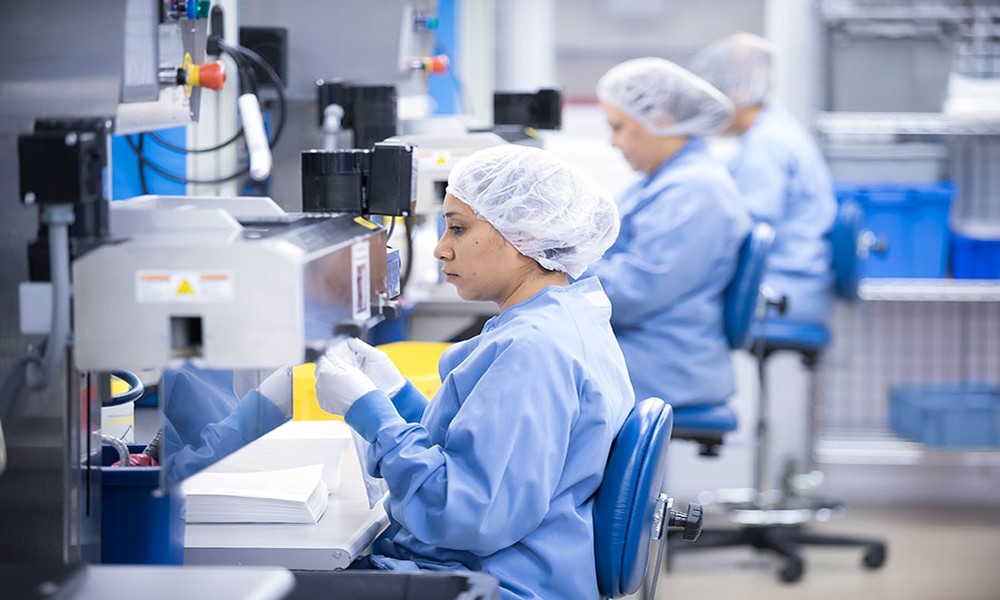
Reliable medical device contract production uses the production technologies best suited to the device requirements. Metal injection moulding produces small, complex metal components to tight tolerances in biocompatible alloys. Precision plastic injection moulding produces polymer housings, structural components, and functional elements in medical-grade materials. Cleanroom assembly integrates components into finished devices under environmental conditions appropriate to the device’s sterility requirements. Functional and performance testing verifies output against specification before packaging. Each production technology requires its own validation, and the combination must be coherent enough to produce a complete device that meets all aspects of the design specification.
Regulatory Compliance That the Contract Manufacturer Supports
Medical contract manufacturing within a certified quality system supports the OEM’s regulatory submissions by providing manufacturing documentation: process validation records, material certificates of conformance, quality system certifications, environmental monitoring data, device history records, and, where applicable, sterilisation validation reports. The OEM and the contract manufacturer share regulatory accountability under frameworks including the FDA Quality System Regulation, the EU Medical Device Regulation, and Singapore’s Health Products Act. The split of responsibilities must be explicitly defined in the supply agreement so that no compliance obligation falls into a gap between the two parties.
“Singapore’s medical device manufacturers meet international regulatory standards because we demand nothing less from ourselves,” Health Sciences Authority Chief Executive Calvin Ho has stated, reflecting the compliance culture that Singapore’s medical manufacturing sector maintains.
Process Validation for Consistent Output
Medical contract manufacturing quality depends on validated production processes that demonstrably produce compliant output within the specified range. Validation follows the IQ, OQ, and PQ sequence for each production process, generating records that the OEM incorporates into its regulatory submission. Validated process parameters are held within defined operating ranges during production, with in-process monitoring and control confirming that parameters remain within those ranges from batch to batch. When process changes are required, a controlled change management process ensures that the impact on validated output is assessed and, where necessary, the validation is updated before the change takes effect.
Traceability That Supports Post-Market Surveillance
Compliant medical device contract production maintains device history records linking each production batch to its constituent materials, process parameters, and inspection results. This traceability supports post-market surveillance, adverse event investigation, and product recall management by providing the production audit trail that regulators and customers need when a specific batch or device is implicated in a quality or safety concern. Traceability records are maintained for periods defined by the applicable regulatory framework, ensuring that historical production information remains accessible throughout the device’s expected service life.
Selecting a Partner for Compliant Contract Manufacturing
Medical contract manufacturing partner selection requires supplier qualification activities covering the production environment, quality management system documentation, process validation status, and regulatory compliance history. A facility audit that reviews records in use alongside the physical production environment provides direct evidence of operational capability beyond what document review alone reveals.
Medical contract manufacturing within a certified, validated quality system provides the reliable and compliant output that medical device supply chains depend on.
