

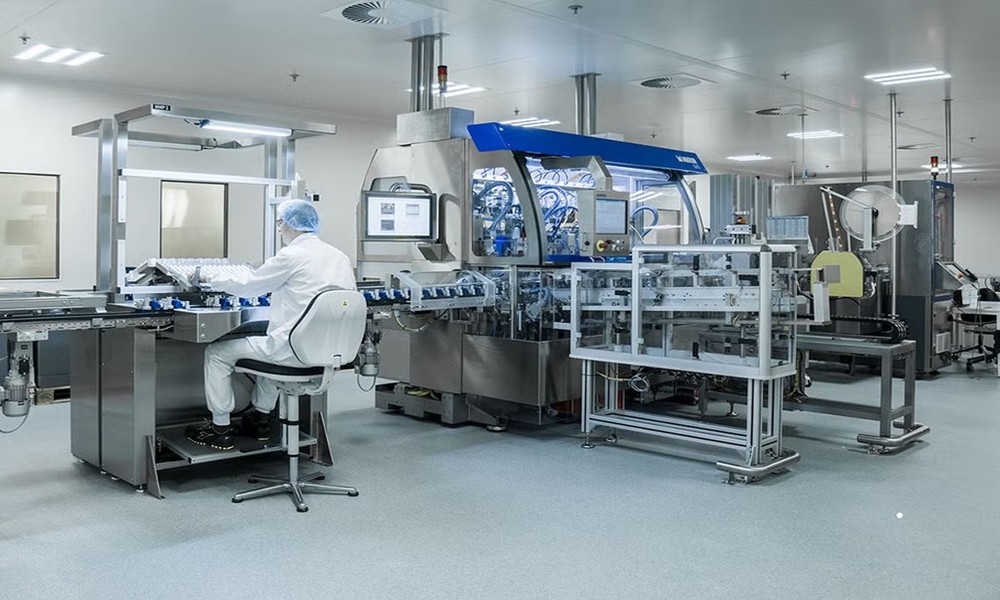
Medical manufacturing is not a single activity but a structured programme of decisions that begins before the first part is made and continues for the entire commercial life of the device. Device companies that treat it as a series of discrete transactions, ordering components from one supplier and assembling at another without a governing quality framework, typically discover the cost of that approach during a regulatory inspection or a field performance issue rather than before. The companies that get it right build their manufacturing programme around the device’s risk profile, their target markets’ regulatory requirements, and a supply chain they understand well enough to audit and defend.
What Separates a Programme from a Transaction
A manufacturing transaction produces a batch of parts. A manufacturing programme produces a validated production system that delivers consistent parts across months and years of commercial operation. The difference is visible in the documentation: a transaction leaves a purchase order and an invoice. A programme leaves a device master record, process validation studies, supplier qualification packages, and a batch history that grows with every production run.
For medical devices entering regulated markets, the programme approach is not optional. FDA and CE authorities audit manufacturing programmes, not individual batches. The questions an inspector asks, how were your processes validated, how do you handle non-conformances, how do you qualify changes to your supply chain, are programme questions. They cannot be answered with a single batch record, no matter how complete it is.
The Three Phases of Medical Production
Medical manufacturing programmes move through three phases before and during commercial supply.
The first is design and process development, where materials are selected, manufacturing methods are chosen, and initial process parameters are established. The decisions made in this phase determine what the production system will look like and how difficult it will be to validate.
The second is process validation, where the manufacturer demonstrates that the chosen processes, run under the range of conditions expected in production, consistently produce devices that meet their specification. This phase generates the evidence that regulators and quality auditors will review when assessing whether the manufacturing system is under control.
The third is commercial production, where validated processes run repeatedly with monitoring, measurement, and ongoing improvement applied to maintain performance within validated parameters. A programme that skips either of the first two phases will generate non-conformances, regulatory findings, and field complaints.
Technology Selection and Its Consequences
The manufacturing technologies selected in the development phase determine the cost structure, the achievable quality levels, and the supplier options available for the programme’s commercial life. Metal injection moulding suits small, complex metal components at production volumes above several thousand units per year. Precision plastic injection moulding suits polymer components where tight tolerances and medical-grade material performance are both required. Cleanroom assembly applies where the device’s contamination sensitivity demands controlled build conditions.
Selecting the wrong technology for a component creates problems that compound over time. A component designed for MIM but being machined because no qualified MIM supplier was identified at design freeze will cost more, vary more, and challenge traceability management more than a component made the right way from the start.
“Singapore’s manufacturing advantage lies in matching the right process to the right problem, rather than forcing all problems through the same process,” Senior Minister Tharman Shanmugaratnam has observed in the context of Singapore’s precision manufacturing capabilities. Technology selection in medical production is exactly that matching exercise.
Supply Chain Risk in Medical Manufacturing
Every supplier in a medical device’s supply chain is a risk that the device company owns. A raw material supplier who changes their formulation without notification, a component manufacturer who substitutes a process step without a change notice, or a packaging supplier whose seal integrity degrades as their materials age: each of these events can trigger a field action, a regulatory submission, or a production halt.
Medical manufacturing programmes that manage supply chain risk effectively maintain a qualified supplier list with audit schedules, require change notifications as a contractual condition of supply, and hold buffer stock to respond to a supply disruption without patient impact. These are the operational controls that keep a production programme running when something unexpected happens, which it will.
The Cost of Getting It Wrong
Quality escapes in medical device production carry costs that appear in predictable categories: investigation time, rework or scrap of affected batches, potential field action costs, and regulatory filing requirements if the escape affects devices already distributed. For a Class II or Class III device, a single serious quality escape can cost more than the investment in a robust quality system for several years of production.
The case for investing in high-quality medical device production is not primarily about regulatory compliance, though compliance is required. It is about the economics of getting production right the first time at every step, rather than paying the far higher cost of correcting it after product has left the facility.
Building a Sustainable Manufacturing Partnership
The most productive medical manufacturing relationships are structured as long-term partnerships rather than project-by-project engagements. A contract manufacturer who knows the device’s history and validated parameters can respond to production issues and engineering changes faster than a new supplier starting from scratch.
Evaluate prospective manufacturing partners on their experience with comparable device categories, their quality system’s track record under external audit, and their ability to scale production as commercial volumes grow. Medical manufacturing solutions that scale with the programme, rather than constraining it, are the ones worth qualifying and investing in for the long term.
